Creating Positive Behavioral Change
We offer evidence-based behavioral therapy using Applied Behavior Analysis (ABA) and other proven techniques to support positive behavior development, emotional regulation, and social skills. Our interventions are tailored to each individual's needs to promote meaningful behavioral change and improved quality of life. We focus on identifying the root causes of challenging behaviors and teaching functional alternatives.
Applied Behavior Analysis (ABA)
A systematic approach to understanding and changing behavior through observation and reinforcement.
Positive Reinforcement
Encouraging desired behaviors by using rewards and positive feedback to motivate learning.
Social Skills Training
Teaching appropriate social interactions, turn-taking, and understanding social cues.
Emotional Regulation
Helping children identify and manage their emotions in healthy and constructive ways.
Sensory Integration
Addressing sensory processing challenges that may impact behavior and emotional responses.
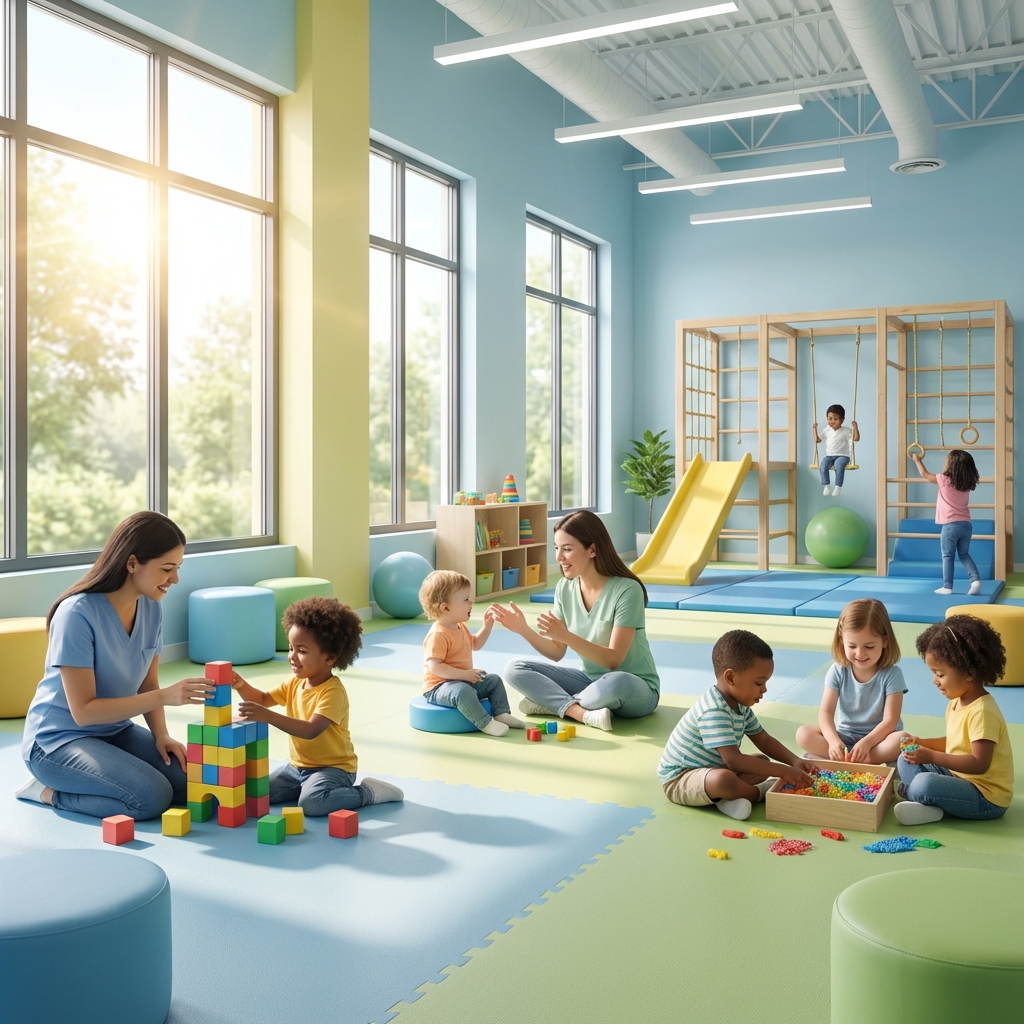
Play Therapy
Using structured play to teach appropriate behaviors and social interaction skills.
Our Approach
Our behavior therapists work closely with families to implement strategies that work across different environments - home, school, and community. We believe in empowering parents with tools to support their child's growth.