Understanding Social Skills Training
We provide structured social skills training to help children develop meaningful peer relationships, improve communication in social settings, and build confidence in group interactions. Our programs focus on practical skills for real-world social success. Through evidence-based techniques and engaging group activities, children learn essential social competencies that will serve them throughout their lives.
Conversation Skills
Teaching children how to initiate, maintain, and end conversations appropriately, including turn-taking and active listening.
Friendship Building
Developing skills to make and maintain friendships, including sharing, cooperation, and empathy for others.
Non-Verbal Communication
Understanding and using body language, facial expressions, eye contact, and personal space appropriately.
Social Problem-Solving
Learning to navigate social conflicts, understand different perspectives, and find appropriate solutions to social challenges.
Emotion Recognition
Identifying and understanding emotions in themselves and others, developing emotional intelligence and empathy.
Group Participation
Building confidence in group settings, learning to work cooperatively, and understanding group dynamics and rules.
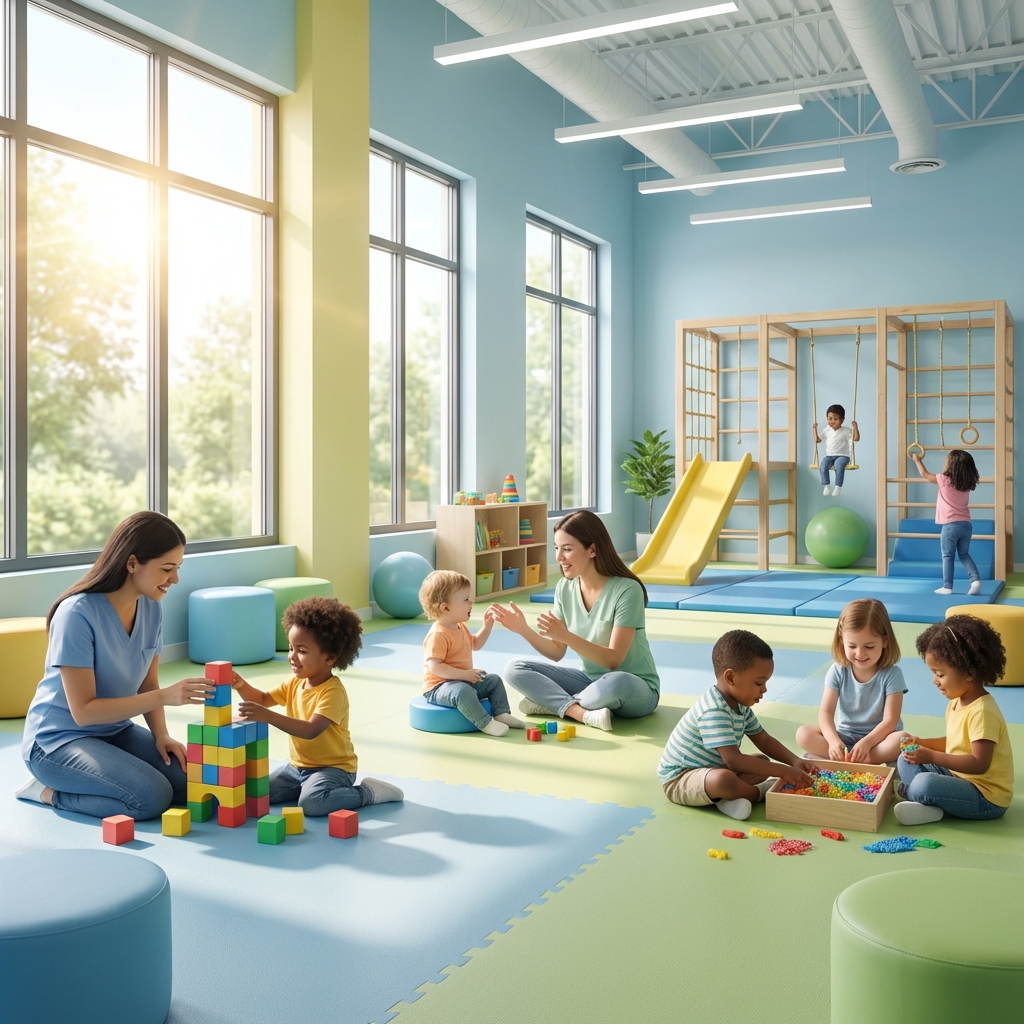
Why Choose Evora for Social Skills Training?
Our social skills groups are carefully structured with age-appropriate activities, role-play scenarios, and real-life practice opportunities. We use evidence-based curricula and create a supportive environment where children can practice new skills without judgment. Small group sizes ensure personalized attention and meaningful peer interaction.