Understanding Play Therapy
We use play-based therapeutic approaches to help children express emotions, develop social skills, and work through challenges in a natural, engaging environment. Play therapy provides a safe space for children to communicate and grow. Through play, children can express what they may not have words for, process difficult experiences, and develop healthy coping strategies in a developmentally appropriate way.
Emotional Expression
Helping children identify, understand, and express their emotions in healthy ways through creative play activities.
Problem-Solving Skills
Building critical thinking and problem-solving abilities through structured and unstructured play experiences.
Social Interaction
Developing turn-taking, sharing, cooperation, and other essential social skills in a supportive play environment.
Trauma Processing
Providing a safe space for children to process difficult experiences and build resilience through therapeutic play.
Self-Esteem Building
Fostering confidence, self-worth, and positive self-image through success experiences in play.
Communication Skills
Enhancing verbal and non-verbal communication abilities through interactive play activities.
Why Choose Evora for Play Therapy?
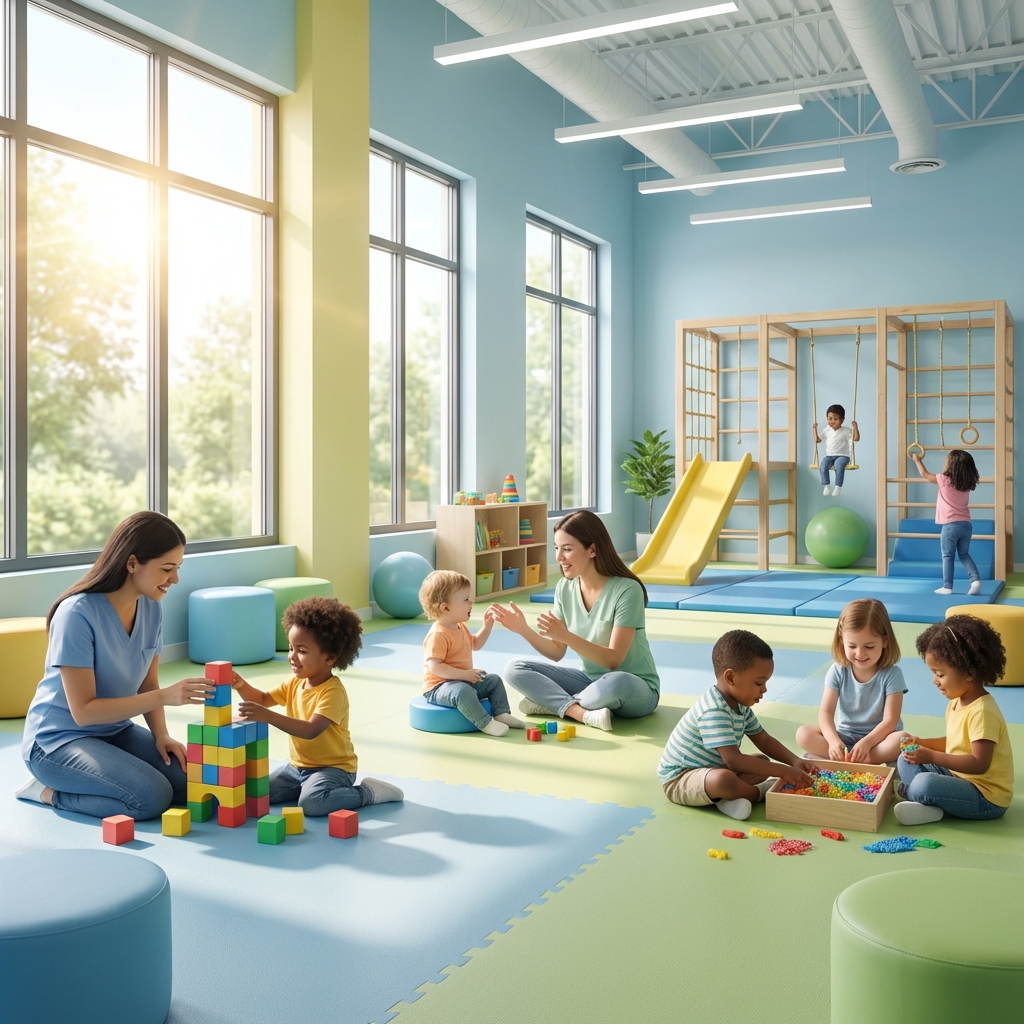
Our play therapy room is designed to be a welcoming, child-friendly space filled with carefully selected toys and materials. Our therapists are trained in evidence-based play therapy techniques and create a warm, accepting environment where every child feels safe to explore and express themselves.